Email Cadence Best Practices: How Often Should You Send?
Sending too little email means your subscribers forget you exist. Sending too much means they start ignoring your messages — or worse, hitting the spam button. Email cadence, meaning how often you send and how you time those sends, is one of the most impactful variables in how subscribers respond to you over time, yet it rarely gets the systematic attention it deserves.
The right cadence isn't a universal formula. It depends on your audience, the type of content you're sending, and what subscribers actually signed up to receive. But there are principles that apply broadly and mistakes that repeat themselves across senders of all sizes.
What Cadence Actually Covers
Email cadence has two related dimensions:
- Frequency: How many messages you send in a given time period — daily, weekly, monthly, or triggered by behavior
- Timing: When those messages go out relative to each other, to the subscriber's timezone, and to their journey with your product or brand
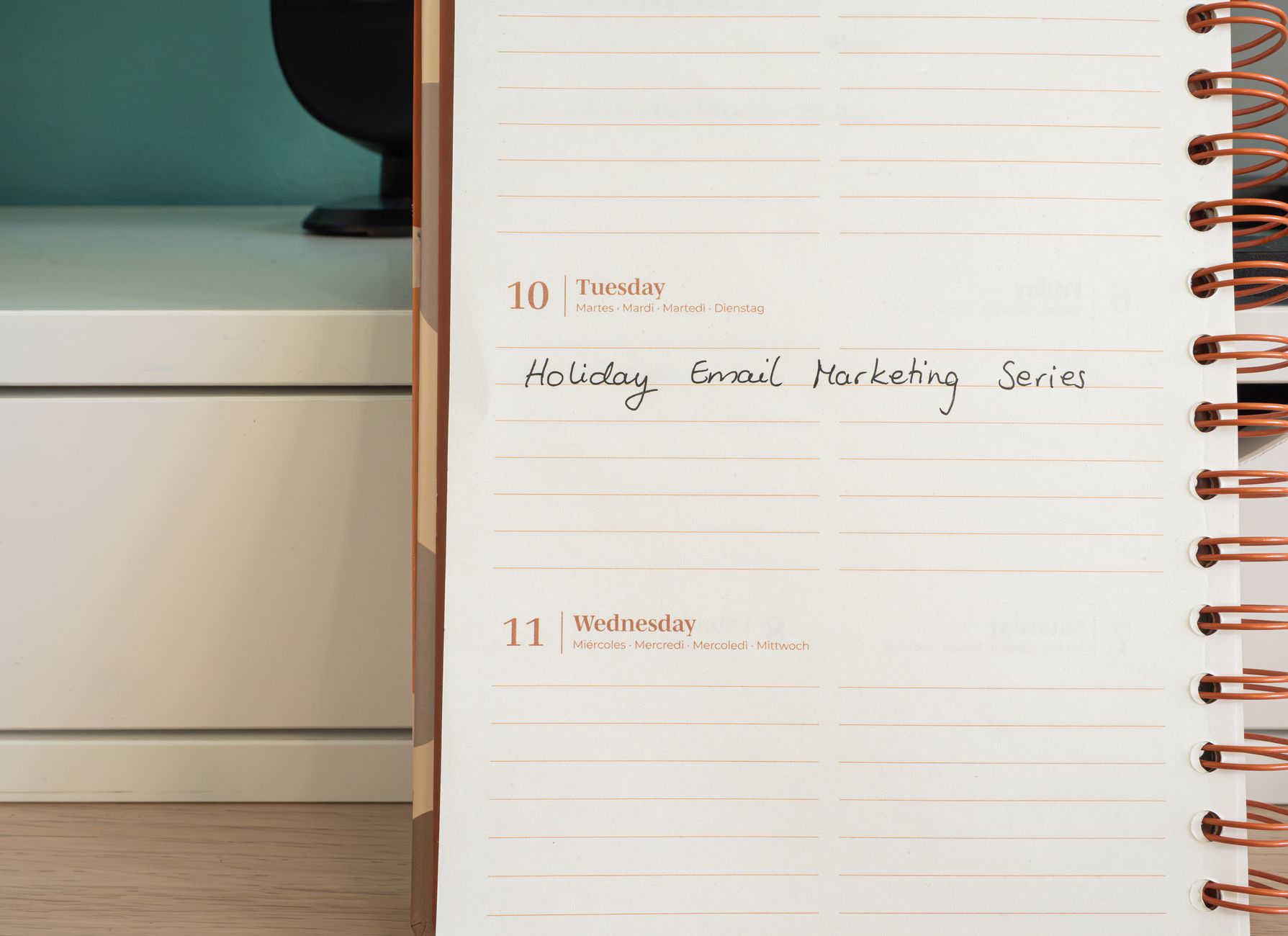
Both matter independently and in combination. A weekly newsletter that always arrives on Tuesday morning is a cadence. An onboarding sequence that sends on days 1, 3, 7, and 14 after signup is also a cadence. Getting both dimensions right requires understanding your audience and paying attention to how they respond over time — not just making a decision and leaving it alone for months.
Why Over-Sending Hurts More Than You Think
The most visible cost of sending too frequently is unsubscribes. But the more damaging long-term effect is spam complaints. When a subscriber marks your message as spam rather than clicking the unsubscribe link, it generates a feedback loop report that mailbox providers use to evaluate your sender reputation.
Google and Yahoo's current sender guidelines set the acceptable complaint rate at 0.1% — that's one complaint per 1,000 delivered messages. Exceeding this consistently results in your email being routed to spam across those platforms. And chronic over-sending is one of the most common drivers of complaint rates crossing that threshold.
Frequency-driven unsubscribes are also a signal you want to take seriously. A subscriber who unsubscribes because you sent too much didn't leave because your content wasn't good — they left because the volume felt intrusive. That's addressable with cadence management.
Why Under-Sending Creates Its Own Problems
Letting months pass without emailing your list creates a different category of issues. Subscribers forget they signed up. When you do send, they don't recognize your brand and mark the message as spam. List hygiene also degrades over time — people change jobs, abandon old email addresses, and inactive accounts sometimes get converted to spam traps that will catch anyone still sending to them.
If you've been inconsistent with your sending, don't overcorrect by jumping to a high frequency. Reconnect gradually with a re-engagement campaign that acknowledges the gap and gives subscribers a clean opt-out before you return to a regular schedule.
Starting With a Sensible Baseline
If you're establishing a cadence from scratch:
- For newsletters or content email: Start biweekly or monthly. Once you have enough engagement data, consider increasing to weekly only if the content genuinely justifies it.
- For promotional email: Most audiences tolerate one or two promotional emails per week before engagement starts dropping. Start at the lower end and increase only if metrics support it.
- For triggered onboarding sequences: Triggered sequences operate on different rules — subscribers who just signed up expect immediate communication. A sequence spread over one to two weeks is typical. Avoid stacking multiple emails on the same day unless they serve clearly distinct purposes.
Let Engagement Data Guide Your Frequency
The strongest signal for whether your cadence is right is engagement over time. Watch for:
- Declining open rate trends: If open rates fall consistently across successive sends within a short period, you may be sending faster than your audience can keep up with.
- Unsubscribe spikes after cadence changes: A sudden increase after you move from weekly to daily is a direct, readable signal that the change in frequency drove people out.
- Rising complaint rates: The most serious signal. Investigate and address immediately — don't wait for a full billing cycle to check this number.
Conversely, if you increase frequency and open rates hold steady or improve, your audience is engaged and can handle the volume. Let the data lead you rather than defaulting to a fixed schedule because it seems reasonable in theory.
Segmentation as a Cadence Tool
Not all subscribers have the same tolerance for email frequency, and treating your entire list as a single audience often means over-sending to some and under-sending to others simultaneously. Segmenting by engagement level lets you apply different cadences to different groups:
- Highly engaged subscribers receive your full sending frequency
- Less active subscribers get a reduced selection — perhaps only your highest-value sends
- Inactive subscribers move into a re-engagement flow rather than continuing to receive regular emails
This approach improves overall list health because the subscribers who would complain are getting less, while your most engaged audience gets more of what they've shown they want.
Setting Expectations at Sign-Up
One of the most effective ways to manage cadence problems is to prevent them at the source. Telling subscribers upfront how often they'll hear from you — "Sign up for our weekly roundup" — sets a clear expectation that they agreed to. Subscribers who know what they signed up for are significantly less likely to feel surprised by frequency and reach for the spam button.
A preference center takes this further by letting subscribers choose their own frequency and content categories. Subscribers who control their experience are more likely to stay engaged and far less likely to generate complaints.
Cadence and Deliverability Infrastructure
Frequency decisions have direct infrastructure implications. Suddenly sending large volumes after a long quiet period — or dramatically increasing frequency in a short window — can trigger rate limiting and spam flags at major mailbox providers that are designed to catch exactly that pattern.
If you're planning a significant increase in sending volume, treat it like an IP warming exercise: ramp up over several weeks, monitor your inbox placement, and watch complaint rates closely at each step. For a complete picture of how infrastructure supports your sending strategy, explore MailDog's mail service and the SMTP relay options. The MailDog blog also covers related topics including deliverability monitoring and sender reputation management.